New government-led building standards reveal that gas heating is being phased out in new homes, with heat pumps and solar panels expected to become effectively compulsory under the Future Homes Standard. From 2027 - with full implementation arriving in 2028 - any new home built in England will be required to meet high energy efficiency standards and use low-carbon technologies, in a move towards clean power objectives.
In response to recent uncertainty and instability in global energy markets, and growing concerns over energy security, new homes will need to generate their own power and rely on low-carbon heating, fundamentally changing how properties are designed and how households consume energy.
Plug-in solar units, which homeowners can install themselves on balconies, are also expected to become available online in the coming months. Already widely used across Europe, these compact systems have yet to be sold in the UK due to existing safety regulations - but that is all set to change.
Lower energy bills, greater independence from the power grid and improved long-term property value are all within reach, and these are not just theoretical benefits. They are real, measurable advantages that more homeowners are already experiencing as they switch to low-carbon technologies.
With systems such as heat pumps and solar panels in place, households can significantly reduce their reliance on expensive, fluctuating energy tariffs. Generating your own electricity and using highly efficient home heating means that you're far less exposed to sudden price rises, helping you take control of your monthly outgoings and plan accordingly with confidence.
There is also the growing appeal of energy independence that comes with producing your own power. Rather than being fully reliant on the grid, your home becomes more self-sufficient, able to generate and use its own energy throughout the day. As technology advances, particularly with options like battery storage and plug-in solar, this independence is becoming even more achievable for a wider range of properties.
Homes without renewable systems are likely to face increasing pressure from multiple angles. As energy prices remain unpredictable, properties that rely solely on traditional gas or grid electricity will typically cost more to run, particularly when compared to newer, energy-efficient homes designed with solar and low-carbon heating in mind.
In our latest blog, Eco Wizard will shed light on everything you need to know about the recent green-tech drive in the housing market. We'll give you all the vital information you need to know as the changes get put in place, and what it means for eco-conscious homeowners and house buyers this year, and beyond.
New build regulations in the UK are undergoing one of the biggest transformations in decades. The direction is clear. Homes are moving away from fossil fuels and towards low-carbon, self-sufficient energy systems. In practical terms, this is not a minor adjustment. It is a drastic rethink of how homes are powered and heated.
Here's what this means for buyers and homeowners:
These changes are designed to create homes that are cheaper to run, more sustainable and far less dependent on external energy markets. For buyers, it means the homes of the future will not just look different, they will function differently too.
Heat pumps are at the centre of this transition because they offer a practical, scalable and highly efficient alternative to gas heating. Unlike traditional systems, heat pumps do not generate heat by burning fuel. Instead, they transfer existing heat from the outside environment into your home, which makes them far more efficient.
In simple terms, a heat pump works a bit like a refrigerator in reverse. It absorbs heat from the air or ground outside, even in cold temperatures, and uses a refrigerant cycle to compress and increase that heat to a usable level. This heat is then distributed throughout your home via radiators, underfloor heating or hot water systems.
Because they are moving heat rather than creating it, heat pumps can produce significantly more energy than they consume in electricity. This is what makes them such an effective low-carbon solution, particularly in modern, well-insulated homes.
There are two main heat pump types commonly used in the UK:
Both systems provide reliable, consistent heating throughout the year and can also supply hot water, making them a complete replacement for traditional boilers. For homeowners, this means a more energy-efficient home, lower running costs over time and reduced reliance on fossil fuels.
If you are considering making the switch, Eco Wizard offers a wide range of high-quality heat pumps designed to suit different property types and budgets. Whether you are upgrading an existing home or planning a new build, choosing the right system is key to maximising performance and long-term savings.
Key reasons they are being prioritised:
Solar panels are becoming a standard feature because they give homeowners something increasingly valuable: control over their electricity.
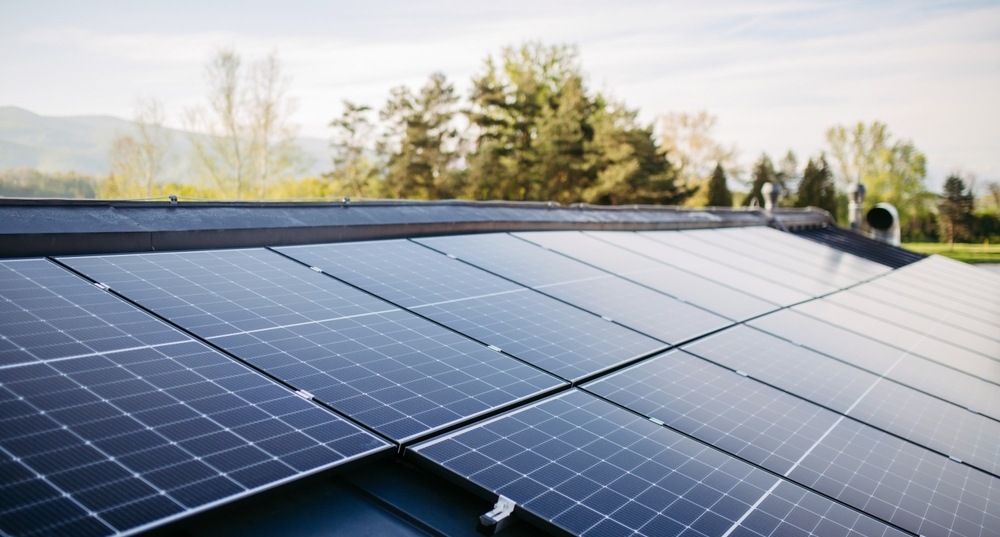
Rather than relying entirely on energy suppliers, you can generate your own power directly from your roof. Solar panels work by converting daylight into electricity using photovoltaic cells. Even on cloudy, overcast days, they can still produce energy, helping to power your home throughout daylight hours.
This electricity can be used in real time to run appliances, lighting and heating systems, reducing the amount of energy you need to buy from the grid. Any excess energy can either be exported or stored for later use, depending on your setup.
The benefits are both immediate and long-term:
Over time, solar panels can cover a significant portion of your household electricity needs, especially when paired with energy-efficient appliances or systems like heat pumps.
If you are looking to take advantage of solar, Eco Wizard offers a wide range of high-performance solar panel systems, designed for your home. Whether you are installing on a new build or upgrading an existing property, choosing the right solar setup can make a substantial difference to your long-term energy savings and overall home efficiency.
Yes, and combining them is where the real value lies.
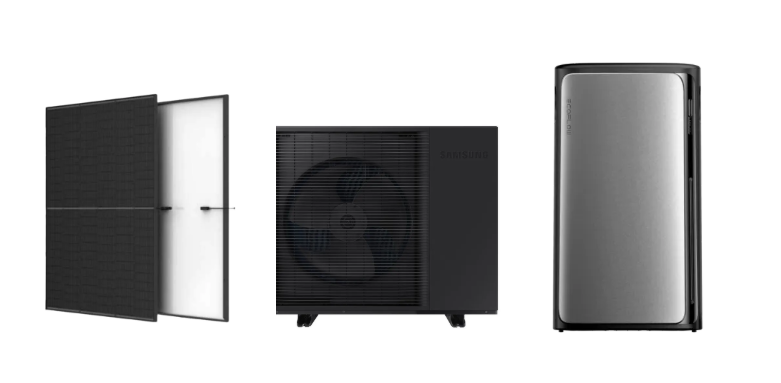
When used together, heat pumps and solar panels create a smart, integrated energy system that significantly reduces both costs and carbon emissions. Instead of relying on the grid for both electricity and heating, your home begins to generate and use its own energy in a far more efficient way.
Here is how they work as a pair:
This combination means you are not only heating your home efficiently, but also powering that system with renewable energy. It is a complete shift from traditional energy use, where every unit of heat and electricity had to be purchased.
For even greater savings and flexibility:
With the addition of smart home controls, homeowners can also optimise when their heat pump runs, prioritising times when solar generation is highest.
For many homeowners, this setup represents the closest step yet towards a truly self-sufficient home. It offers lower bills, greater control and a future-proof energy solution.
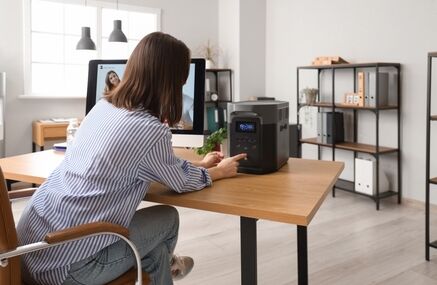
Plug-in solar panels are a newer, more flexible way to access solar energy, especially for properties where traditional rooftop installations are not possible or practical. They are designed to be simple, accessible and affordable, making them an ideal entry point for homeowners who want to start generating their own electricity without major installation work.
Plug-in panels can be connected directly to your home via a standard socket, making them a more straightforward option than standard solar setups.. They generate electricity in the same way as rooftop panels, converting daylight into usable power, but on a smaller, more manageable scale.
Key features include:
While they do not generate as much power as full rooftop solar panel systems, they can still make a noticeable difference to your energy usage and bills. They're especially effective for covering your background electricity demand such as appliances, lighting and devices.
As UK regulations continue to evolve, plug-in solar is expected to become far more widely available at Eco Wizard. For many households, it represents a practical and immediate way to take a first step into renewable energy.
There is likely to be an increase in upfront build costs, but this needs to be viewed in context rather than in isolation. What you pay more initially is often balanced, and in many cases outweighed, by long-term savings, improved efficiency and stronger property value.
Here is what to consider:
Over the lifespan of a property, these savings can add up to a substantial financial advantage. Rather than seeing renewable systems as an added cost, they are increasingly viewed as a built-in home investment in lowering living expenses and increasing long-term value.
With these changes already underway, taking early action is the smartest way to stay ahead.
Here is how to position yourself for the transition:
Moving towards renewable energy is no longer just about sustainability. It's about taking control over your energy use, protecting yourself from rising costs and ensuring your property remains competitive in a changing market. As these standards become the norm, those who act early will benefit from lower bills, stronger property value, and a home that is ready for the future.