




£25 OFF selected EV charger installations, FREE Salus EV7UK offer & much more
Shop Now


Electric vehicles are rapidly becoming a central part of the new car market in the UK, driven by regulation improved cost competitiveness, and an expanding infrastructure. Combine this with shifting energy markets and the government's continuing push towards a zero-emissions future, more homeowners are making the switch than ever before.
At the same time, the EV charger market has evolved rapidly to make home charging simpler, smarter, and more affordable and practical than ever before. What was once a basic wall-mounted unit is now a desirable, smart-connected device capable of optimising energy use, integrating with tariffs like Octopus Intelligent Go, and even working alongside renewable energy sources. Prices have become more competitive, installation more streamlined, and availability stretching far wider.
But with that growth comes a degree of complexity. From Hypervolt to Ohme to Zappi - there are dozens of charger brands and models on the market - all with competing features, different tariff options, technical specifications, and impressive design aesthetics to weigh up. So, what actually makes the best home EV charger no longer has a completely straightforward, one-size-fits-all answer.
Moreover, choosing an EV charger for your home is not just about plugging in your car. It is about long-term cost savings, convenience, and future-proofing your property. Get it right, and you benefit from cheaper charging, seamless automation and a setup that works around your life. Get it wrong, and you could face higher costs, limited functionality, or the frustration of needing to upgrade sooner than expected.
A home EV charger is a dedicated charging unit installed at your property, designed to safely and efficiently deliver electricity to your electric vehicle at a significantly faster rate than a standard domestic plug socket. While technically you can charge from a three-pin socket, doing so is slow, inefficient and really not ideal for daily use.
Home EV chargers are typically rated at 7kW in the UK. This is the maximum power most homes with a standard single-phase electricity supply can safely support without requiring costly upgrades. It provides the ideal balance of speed and practicality, delivering fast overnight charging that suits everyday use while working within typical household electrical limits.
For most homeowners in the UK, installing a dedicated charger and all the similar electric vehicle equipment transforms the EV ownership experience. Instead of relying on public charging points - with potential queues, detours, or uncertainty around availability - your car charges overnight while you sleep, ready for the day ahead. This level of convenience removes one of the biggest barriers to going electric and makes day-to-day driving far more reliable, simple, and stress-free.
There are also clear cost and control advantages. Charging at home, particularly on off-peak tariffs, is significantly cheaper than using public rapid chargers, and smart chargers can automatically optimise when your vehicle charges to keep costs down.
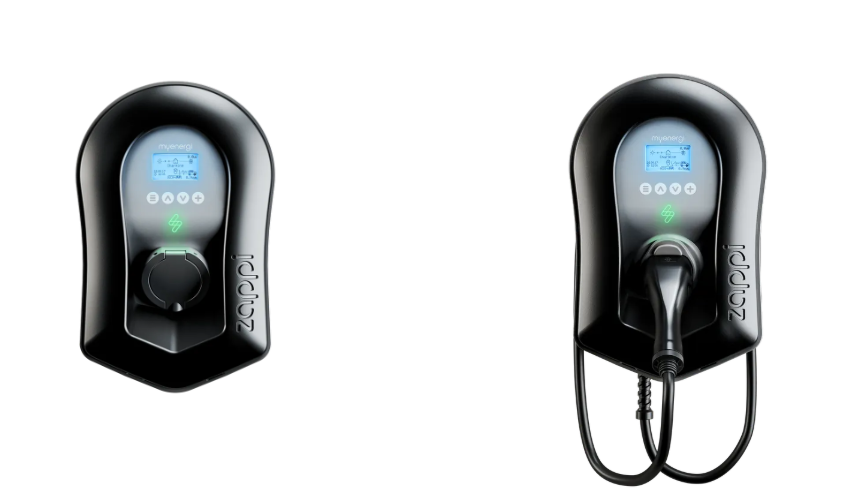
This is one of the first real decisions you will face, and it is more important than it seems. The choice between tethered vs untethered EV charger setups and selecting the right charging speed can shape your day-to-day experience.
A tethered charger has a permanently attached EV charging cable, making it fast and convenient to plug in without needing to retrieve or connect a separate lead each time you charge. This can be especially useful for daily use, where simplicity and speed matter. An untethered unit uses a removable EV charging cable, offering a cleaner, more minimal appearance and greater flexibility - particularly if you change vehicles in the future or want compatibility across different connector types.
Then there is charging speed. While most UK homes opt for a 7kW charger, the right choice ultimately depends on your driving habits, charging routine, and how quickly you need to replenish your battery. For many households, 7kW provides the ideal balance - fast enough for reliable overnight charging - while higher-powered options may require more complex electrical upgrades and aren’t always necessary for typical daily use.
If you want to know what the very best home EV chargers of 2026 look like, you can discover the ultimate charger to suit your setup at Eco Wizard.
Where you park your electric vehicle is one of the most important factors when choosing an EV charger. Before comparing charger benefits and features, or even individual brands, it's worth considering your property's parking arrangement, as this will often determine the type of charging solution that's most suitable. A charger designed for a home with a private driveway serves a very different purpose to one intended for shared or on-street parking, making location one of the first decisions to get right before exploring specific models.
For homeowners with access to a private driveway or garage, a dedicated wall-mounted home EV charger is typically the most practical and cost-effective option. It provides the convenience of charging at home whenever you need it, while giving you access to smart charging features, lower off-peak electricity tariffs and, where applicable, renewable energy integration. If your property doesn't have off-road parking, however, on-street charging solutions or shared charging infrastructure may offer a more suitable alternative, depending on local availability and how your vehicle is used on a day-to-day basis.
When choosing a charger for your property, consider the following:
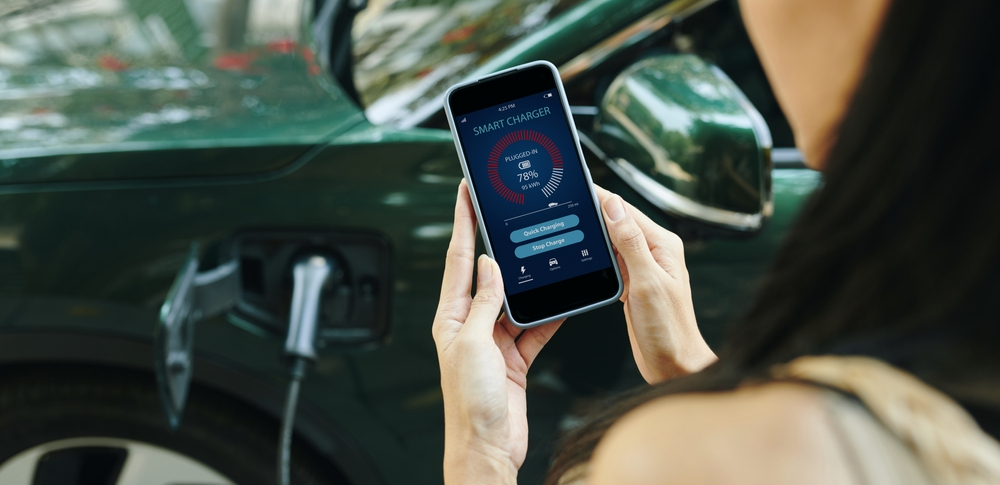
It’s easy to get drawn in by impressive EV features and attractive specs, but not everything adds real value. Some features will genuinely reduce your energy costs and improve day-to-day usability, while others are more cosmetic or rarely used in practice.
Modern smart EV chargers are more advanced than ever, but the key is choosing features that align with how you actually live - especially if you’re planning to take advantage of tariffs like Octopus Intelligent Go, where smart optimisation can make a meaningful difference to your running costs.
The best home EV charger isn’t the one with that's absolutely filled with modern features, it’s the one that integrates effortlessly into your lifestyle and daily routine, works with your tariff, and quietly saves you money over time.
For homeowners with solar panels or home battery storage, choosing an EV charger that works effectively with your wider renewable energy system can significantly reduce running costs. Rather than relying solely on electricity imported from the grid, a compatible charger can intelligently prioritise surplus solar generation or stored battery energy, working to maximise self-consumption and make better use of the electricity your home already produces.
However, not all EV chargers offer the same level of renewable energy integration. Some, such as the Myenergi Zappi, are designed to work with almost any solar installation and dynamically adjust charging to make the most of surplus renewable energy. Others, including chargers from Fox ESS, SolaX, Sungrow and Tesla, are specifically developed to integrate with their own manufacturer's inverters, battery storage systems and energy management platforms, providing a more connected charging experience for homeowners already invested in those ecosystems.
If you're specifically comparing EV chargers for homes with solar batteries, including manufacturer-specific options and renewable energy features, explore our dedicated guide: The Best EV Chargers Compatible With Solar Batteries.
This is where EV ownership has evolved significantly in recent years. Smart EV chargers, when paired with intelligent energy tariffs, now allow homeowners to dramatically reduce charging costs by automatically using electricity when it’s cheapest. Instead of charging as soon as you plug in, your charger can align with off-peak periods - particularly useful with tariffs like Octopus Go, Intelligent Octopus Go, and OVO Charge Anytime, where charging costs can be significantly lower during optimised charging windows.
Tariffs such as Intelligent Octopus Go and OVO Charge Anytime take this a step further by actively managing your charging schedule for you, selecting the most cost-effective charging periods based on grid demand, electricity pricing and energy availability. Rather than manually setting charging times every day, compatible smart chargers and vehicles can automatically communicate with the tariff platform to optimise charging behind the scenes.
The key detail many homeowners miss is compatibility. Not every EV charger integrates seamlessly with every smart tariff, and choosing the wrong charger can limit your ability to access automated savings, smart scheduling features and intelligent charging optimisation.
See our full guides on The Best EV Charger For Intelligent Octopus Go and The Best EV Charger For OVO Charge Anytime to ensure your charger is fully compatible with your chosen smart tariff.

Installing your home EV charger really doesn’t need to be complicated. With the right provider, it can be a quick, transparent process that’s designed around your home and your needs. At Eco Wizard, installations are handled in partnership with Aero, combining experienced, certified installers with a streamlined approach that ensures everything is fully compliant with UK regulations and completed with minimal disruption.
For most households, installation is straightforward and cost-effective. In fact, around 92% of homes are covered by a standard installation package, which includes everything needed for a typical setup - such as up to 15 metres of cabling (more generous than the industry standard), neat trunking, and professional installation.
Choosing the right installer is just as important as choosing the charger itself - because a well-installed system ensures safe, efficient, and hassle-free charging for years to come. Explore our EV charger installation service with Aero to get started today.
The EV charger market has expanded quickly, with a range of high-quality brands now catering to different priorities, from smart tariff optimisation to design-led products and renewable energy integration. Rather than looking for a single “best” option, the smarter approach is to understand what each brand does well and how that aligns with your home, your tariff, and how you plan to charge day to day.
Each manufacturer brings something slightly different to the table. By narrowing your choice based on your specific needs, you can avoid overpaying for features you won’t use and focus on what actually improves your experience.
If you want a deeper comparison, see our guide on Hypervolt vs Ohme vs Zappi. For a broader overview of top models, browse our 12 Best EV Chargers.
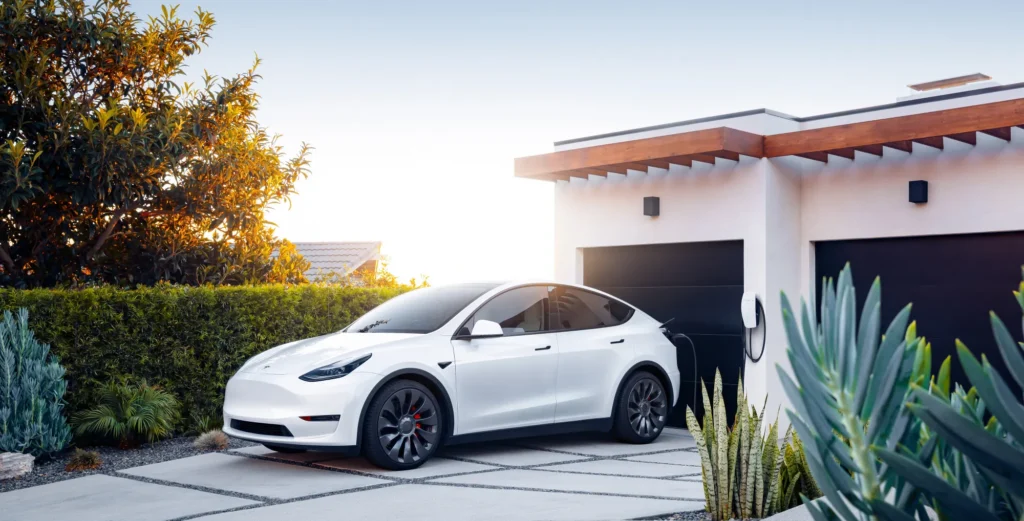
Choosing an EV charger doesn’t need to be complicated. When you break it down into a simple, structured process, it becomes much easier to identify what actually matters and avoid getting overwhelmed by technical details or marketing claims.
The key is to match the charger to your lifestyle - not just your vehicle. Factors like how often you drive, when you charge, and whether you plan to use a smart tariff will all influence which setup is right for you. If you're interested in discovering the best home EV charger for you, there's a process you should follow.
Even with the best intentions, some homeowners make entirely avoidable mistakes when choosing an EV charger, often only realising the impact after installation. These issues can lead to higher costs, reduced performance, or limitations that are difficult to fix later.
Understanding these common pitfalls upfront helps you make a more informed decision and avoid unnecessary frustration.
Avoiding these mistakes is often the difference between a smooth, cost-effective setup and one that creates ongoing inconvenience or additional expense.
It depends on your setup and tariff. Popular options include Hypervolt (for ease of use), Ohme (for smart tariff integration), and Zappi (for solar compatibility). The best choice is one that fits your lifestyle and energy plan. Eco Wizard offer a wide range of EV chargers and equipment to meet your individual home needs.
Costs vary by tariff, but off-peak rates like Octopus Go or Intelligent Octopus Go can make home charging significantly cheaper than public chargers.
Usually, no. Most home installations fall under permitted development, but they must meet UK safety and electrical regulations.
Yes. Smart chargers automate charging and help you take advantage of cheaper off-peak electricity rates, reducing costs.
No. Installation must be completed by a qualified professional to ensure safety and compliance.
A typical 7kW charger can fully charge most EVs overnight (around 6 - 10 hours), depending on battery size.
Yes, but not all chargers are compatible. Make sure your charger supports smart tariff integration to maximise savings.
Tethered chargers have a built-in cable for convenience, while untethered units require your own EV cable but offer more flexibility.
In most cases, yes. 7kW is the UK standard and provides the best balance of speed and compatibility for typical homes.
Your electricity usage will rise, but overall running costs are usually lower than petrol or diesel - especially on off-peak tariffs.
Yes, but it’s slow and not ideal for regular use. A dedicated EV charger is safer, and much faster.
Yes. Most chargers are weatherproof and designed for safe outdoor installation.
Most UK homes are suitable for a 7kW charger. An installer will confirm this with a quick survey before installation.