




Please be aware there is currently a Google Cloud outage which may affect order processing.
Therefore we cannot guarantee orders will be shipped today. We apologise for any inconvenience.

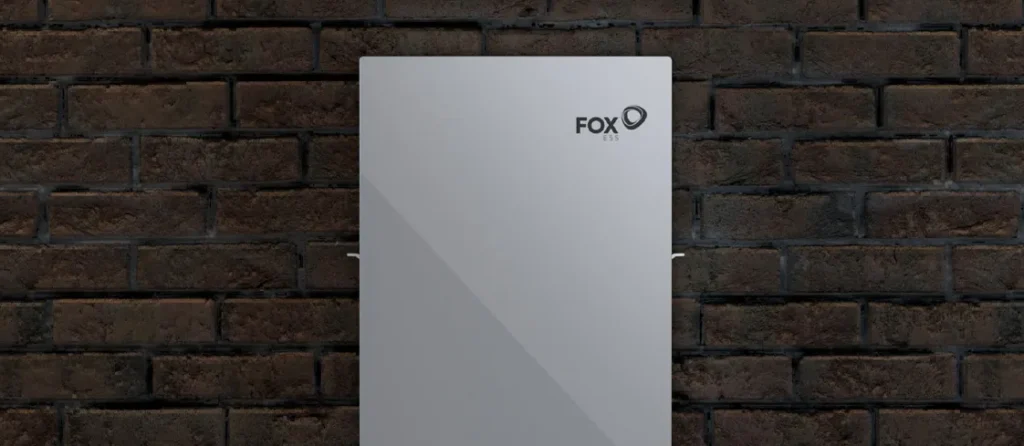
The connection between solar batteries and EV chargers is becoming one of the biggest developments in the home energy transition. Rather than operating as separate technologies, they're increasingly being integrated into a single home energy system that works together to reduce energy costs and maximises the use of renewable electricity. Instead of simply generating electricity during daylight hours and exporting unused energy back to the grid, homeowners can now store excess solar power in a battery and use it later to charge their electric vehicle.
A solar battery acts as an energy store between your solar panels and your home. During periods of strong sunlight, any electricity that isn't immediately used can be stored in the battery rather than being exported. When your electric vehicle needs charging later in the day or overnight, a compatible EV charger can draw on that stored renewable electricity before importing power from the grid. This process allows homeowners to maximise self-consumption, reduce electricity bills and lessen their reliance on increasingly expensive grid energy.
While almost any EV charger can charge an electric vehicle using electricity supplied by your home, certain models are specifically designed to communicate with solar inverters, battery storage systems or home energy management software
Choosing the right EV charger therefore depends largely on the renewable energy system already installed at your property. Some chargers are designed to work particularly well with specific manufacturers such as Tesla, Fox ESS, Sungrow or SolaX, while others offer broader compatibility across a wide range of solar setups and battery installations. Understanding these differences before investing can help you to avoid compatibility issues, maximise energy savings, improve charging efficiency and build a home energy system that works seamlessly for years to come.
In this guide, Eco Wizard explains which EV chargers are best suited to homes with solar batteries, the features that genuinely matter and how to choose a charging solution that complements both your renewable energy system and your driving habits.
While the focus here is on solar battery compatibility, choosing the right EV charger also involves considering factors such as charging speed, tethered versus untethered designs, installation requirements, smart tariffs and future-proofing. If you're still weighing up your broader options at this point, our Complete Guide To Choosing An EV Charger For Your Home covers everything you need to know before investing.
Installing solar panels is only part of the journey towards lower energy bills. Without a suitable EV charger, much of the electricity your system generates may either be exported to the grid or used less efficiently than it could be. A solar-compatible charger allows your vehicle to make greater use of renewable electricity, reducing dependence on expensive grid imports while making the most of your battery storage system.
Many homeowners assume any smart charger will automatically prioritise solar energy, but this is not always the case. Some chargers simply follow charging schedules, while others actively monitor household consumption, battery output and solar generation before adjusting charging power in real time. This intelligent energy management is where the greatest savings are often achieved.
Key reasons to choose a solar compatible charger:
Choosing the best EV charger for a home with solar batteries is not simply about buying the highest-rated charger on the market. The most effective solution is usually the one that integrates most efficiently with your existing solar panels, battery storage system and home energy management software. While some chargers are designed to work with almost any solar installation, others deliver their greatest benefits when paired with equipment from the same manufacturer.
If your solar battery system and EV charger can communicate with one another, your home can make better use of surplus solar generation, intelligently manage battery storage and reduce reliance on grid electricity. This creates a more efficient renewable energy system while helping to lower long term charging costs. With that in mind, here are some of the strongest options for UK homeowners.
Best for homes with any solar panel and battery system.
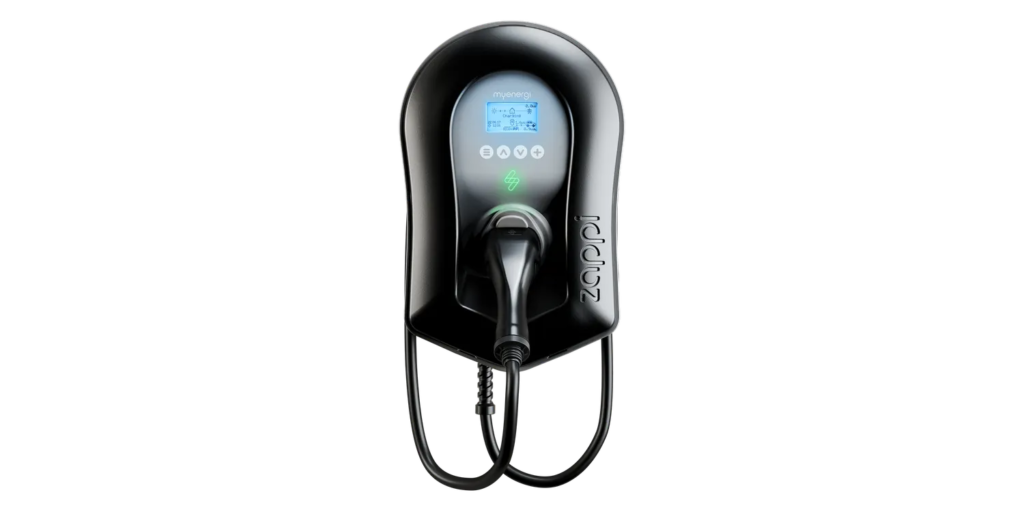
The Myenergi Zappi has earned its reputation as one of the UK's leading EV chargers for solar integration because it isn't tied to a single inverter or battery manufacturer. Instead, it intelligently monitors surplus solar generation and adjusts charging output accordingly, making it an excellent choice for homeowners who want maximum flexibility. Its dedicated Eco and Eco+ charging modes prioritise renewable electricity before importing energy from the grid. Eco Mode maximises your green energy use while ensuring your EV still charges; ECO+ Mode is "100% green", and will only charge if there's enough energy from your renewables available.
Best for premium smart charging with broad solar compatibility.
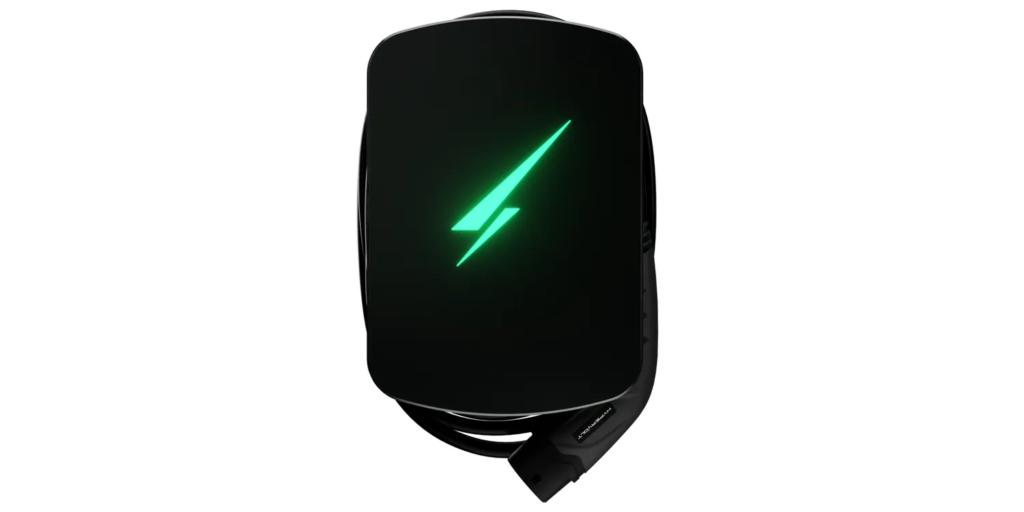
The Hypervolt Home 3 Pro combines sleek design with intelligent charging features, making it a popular choice for modern homes. While it isn't tied to one specific solar battery manufacturer, it works effectively alongside many renewable energy installations and supports smart scheduling, load balancing and energy optimisation. It is ideal for homeowners who simply want a premium charger that can integrate with a wide variety of solar energy systems.
Best for homes with SolaX solar panels, inverters and battery storage products.
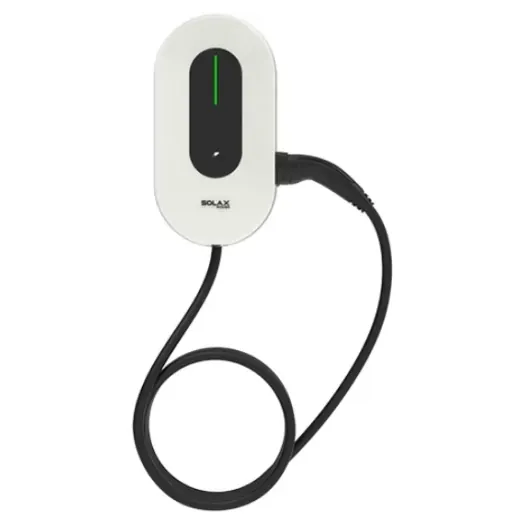
The SolaX G2 EV Charger has been specifically developed to work within the SolaX renewable energy ecosystem. When paired with a compatible SolaX inverter and battery storage system, it communicates directly with the rest of the installation to intelligently prioritise surplus solar energy for vehicle charging, helping to maximise self-consumption and reduce imported grid electricity. Through the SolaX Cloud platform, homeowners can monitor and manage their EV charger alongside their solar generation, battery storage and household energy usage from a single app, providing a unified view of the entire energy system.
Best for properties with Fox ESS battery storage systems.
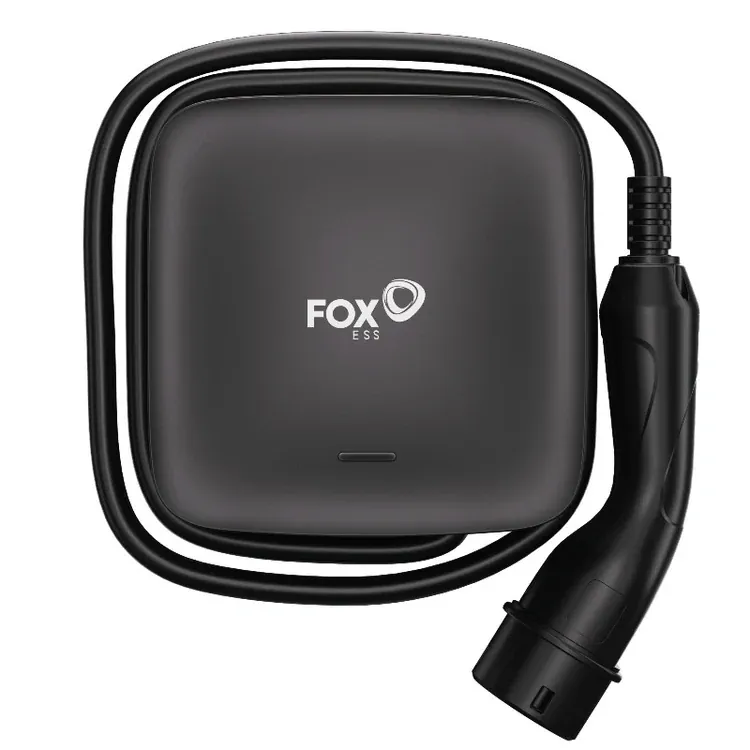
If your home already uses a Fox ESS inverter and battery, the Fox ESS L Series EV Charger is one of the most integrated charging solutions you'll find. Engineered specifically for the Fox ESS ecosystem, it can automatically adapt charging behaviour based on available solar generation and the status of your home battery, helping to make greater use of self-generated electricity before drawing from the grid. Choosing a charger from the same manufacturer also helps ensure full compatibility across your energy system, making installation, future expansion and ongoing system management simpler for homeowners looking to build a cohesive Fox ESS renewable energy setup.
Best for households with Sungrow solar and battery installations.
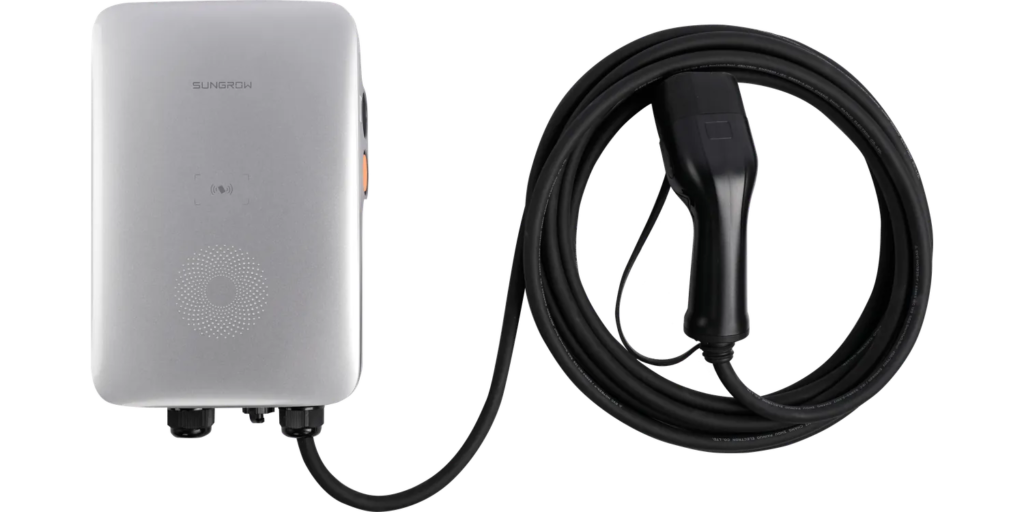
The Sungrow AC Smart EV Charger is designed to integrate directly with compatible Sungrow inverters and battery storage systems, creating a connected home energy solution. This allows the charger to intelligently prioritise surplus solar generation, coordinate charging with household energy demand and reduce reliance on imported electricity where possible. Through the iSolarCloud platform, homeowners can monitor and manage their solar generation, battery storage and EV charging from a single interface.
Best for Tesla owners with a Tesla Powerwall.
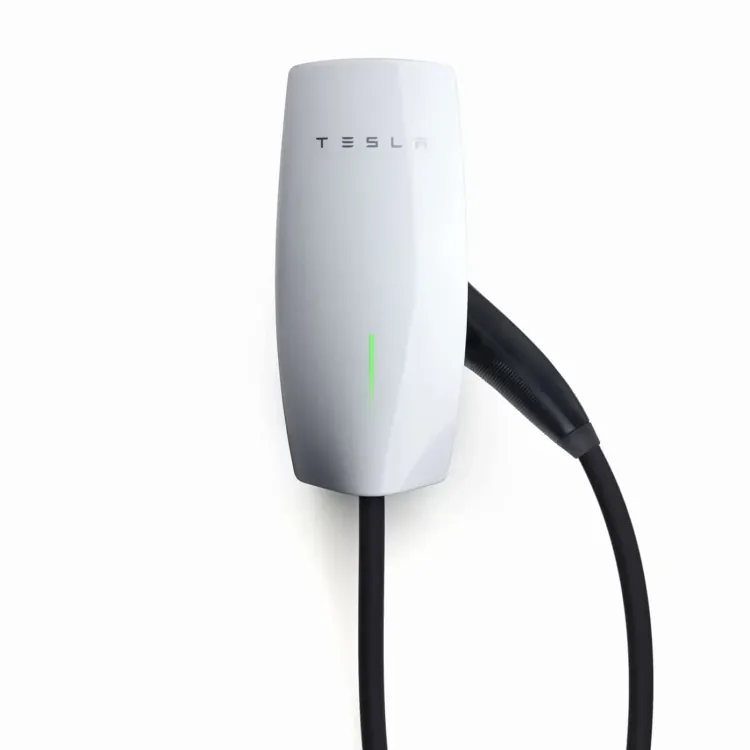
For households already using Tesla products, including a Tesla Powerwall home battery storage system and compatible solar installation, the Tesla Gen 3 Wall Connector is an exceptionally well-integrated choice. While it is not a dedicated solar diversion charger like the Myenergi Zappi, it works seamlessly within Tesla's energy ecosystem, allowing homeowners to manage their EV charging alongside home battery storage and solar generation through the Tesla app. For those who prefer to keep their renewable energy technology within a single manufacturer, it offers a streamlined, cohesive solution backed by Tesla's connected energy platform.
Choosing a charger purely because it is labelled as "smart" can be misleading. True solar compatibility involves far more than smartphone control or scheduled charging. In fact, the most effective chargers continuously monitor household energy usage and dynamically adjust charging output based on the renewable electricity available.
Future proofing is also equally important. As battery technology, electricity tariffs and home energy management systems continue to evolve, selecting a charger with flexible software updates and broad compatibility can provide greater long-term value than focusing purely on charging speed.
Important features to prioritise include:
Solar compatibility is only one of several features worth comparing before choosing an EV charger. Factors such as charging speed, cable type, load balancing, installation location and intelligent scheduling can all have a significant impact on your long-term charging experience. For a complete breakdown of every feature worth considering, see our Complete Guide To Choosing An EV Charger For Your Home.
One of the biggest mistakes homeowners make is selecting an EV charger before considering the wider renewable energy system already installed. While many chargers can technically operate alongside any solar array, the highest levels of functionality are often achieved when the charger shares the same manufacturer ecosystem or communicates effectively with compatible inverters and battery management software.
For example, homeowners with Fox ESS equipment will often benefit from selecting the Fox ESS L Series charger, while Sungrow customers may achieve smoother energy management with the Sungrow AC EV charger. Similarly, households using SolaX batteries and inverters are well served by the SolaX G2 Green Energy EV Charger. Those seeking manufacturer-independent solar optimisation continue to favour the Myenergi Zappi due to its proven renewable energy management capabilities across a wide range of installations.
Before making your decision, consider:
The best EV charger is not necessarily the one with the longest list of features or the highest price. Instead, it should complement your property's electrical setup, renewable energy system and everyday driving requirements. A carefully selected charger can increase self-consumption, lower charging costs and help you make the most of every unit of electricity your solar panels generate.
For many UK homeowners, the Myenergi Zappi remains one of the strongest all round choices thanks to its dedicated solar charging functionality and long standing reputation within the renewable energy sector. However, manufacturer specific solutions such as Fox ESS, Sungrow and SolaX chargers can offer exceptional performance when installed alongside matching battery and inverter systems.
Other premium smart chargers including Hypervolt, Andersen, Ohme and Indra also provide excellent flexibility for households prioritising smart energy management and tariff optimisation.
Before arranging installation, remember:
Once you've chosen your EV charger, professional installation ensures that it is installed safely, performs efficiently and complies with the latest regulations, giving you complete confidence in your home charging setup. Eco Wizard has partnered with Aero to provide a trusted nationwide EV charger installation service for UK homeowners. To learn more about installation requirements, typical costs and what to expect before, during and after your installation, explore our Complete Guide To Choosing An EV Charger For Your Home.