
The UK's largest supplier of domestic electricity and gas, Octopus Energy, is set to slash its EV charging rates from April 2026. This is one of the most significant tariff reductions seen in the UK electric vehicle market this year, and is expected to further accelerate the shift away from petrol and diesel cars.
For drivers already benefiting from smart EV charging - and those considering the switch - this change signals a clear move towards more affordable electric motoring at a time when energy costs remain a major concern for households.
The most significant reductions are being applied to Octopus Go and Intelligent Octopus Go, two of the supplier’s most popular EV tariffs. Designed specifically for overnight charging, these tariffs already offer lower off-peak rates, but the April reductions push costs down even further, strengthening their position as some of the most competitive choices on the current market.
In some regions, customers could see prices fall as low as 3.49p per kWh during off-peak periods. This dramatically reduces the cost per mile for electric vehicles, making home charging not only cheaper than public networks, but significantly more cost-effective than petrol or diesel refuelling in many cases.
Those with the right tariff and home charging setup stand to benefit the most, while others risk missing out on the lowest rates available. In this blog, Eco Wizard explores what these changes actually mean, who benefits most, and how to position your home to take full advantage of cheaper EV charging in the year 2026 and beyond.
From April 2026, Octopus Energy has reduced its off-peak EV charging rates across its key smart tariffs, with the most competitive pricing available through Octopus Go and Intelligent Octopus Go.
While rates still vary depending on location, grid region and usage patterns, the headline figures and details are what has caught the attention of EV drivers:
Octopus Go is a time-of-use electricity tariff designed for EV owners, offering a fixed cheap overnight rate for a set window (typically a few hours). You manually schedule your charging to take advantage of the lower price during those off-peak hours.
Intelligent Octopus Go builds on this by automatically managing your EV charging through smart integration with your car or charger. It optimises when your vehicle charges within off-peak periods - and sometimes beyond - to ensure it’s ready when you need it at the lowest possible cost, with minimal input required from you.
These ultra-low rates typically apply during overnight charging windows, when demand on the grid is lower. Intelligent Octopus Go goes a step further by automatically scheduling charging at the cheapest available times, optimising cost without requiring manual input.
In practical terms, this means that electric vehicle charging at home can now cost just a fraction of traditional fuel, especially for drivers who regularly charge overnight.
Several factors are driving this reduction in EV charging costs, and it reflects broader changes within the UK energy market.
Firstly, wholesale energy prices have stabilised compared to the volatility seen in previous years. This has given suppliers like Octopus Energy the flexibility to pass savings directly on to consumers.
Secondly, there is increasing competition in the EV tariff space. As more energy providers introduce EV-specific tariffs, pricing has become more aggressive, with suppliers competing to attract a growing base of electric vehicle owners.
Another key factor is grid demand management. By encouraging drivers to charge overnight, suppliers can balance electricity usage more efficiently. Lower off-peak rates incentivise behaviour that supports grid stability, which benefits both providers and consumers.
Finally, advancements in smart EV charging technology are playing a role. Intelligent tariffs can now automatically adjust charging times to align with the cheapest and greenest energy availability, reducing costs further while supporting renewable energy integration.
Lower EV charging rates are not just a short-term saving. They represent a fundamental shift in the cost of running a vehicle. For many drivers, fuel has traditionally been one of the largest ongoing expenses. With off-peak electricity rates dropping this low, electric vehicles become significantly cheaper to run on a day-to-day basis.
This has several important implications:
There is also a sustainability benefit. Lower costs encourage more drivers to switch to electric, supporting the UK’s transition to low-carbon transport and reducing reliance on fossil fuels.
The latest reduction in EV charging rates reinforces a clear shift in how electric vehicles are powered in the UK. Home EV charging is now firmly established as the most cost-effective way to run an electric vehicle, particularly when paired with a smart tariff.
For drivers, this means significantly lower day-to-day running costs. Charging overnight on tariffs such as Octopus Go or Intelligent Octopus Go can bring the cost of a full charge down to just a few pounds, depending on battery size. Over time, this creates substantial savings compared to both public charging and traditional fuel usage.
It also increases the importance of smart energy usage. Electricity is no longer a fixed expense. With the right setup, drivers can actively control when and how they charge, aligning with the cheapest available rates and reducing reliance on peak-time pricing.
This shift is making EV ownership more financially attractive, but it also highlights the growing importance of having the right home infrastructure in place.
The drivers who benefit most from these reduced rates are those who are already set up for smart, home-based charging. If you have a dedicated EV charger and are on a tariff like Octopus Go or Intelligent Octopus Go, you are in the strongest position to take full advantage of the new pricing.
Overnight charging also becomes the most cost-effective way to power your vehicle, often costing just a few pounds for a full charge depending on battery size.
Those who will see the greatest benefits include:
On the other hand, drivers who rely on public charging networks or standard electricity tariffs may not experience the same level of savings. This highlights an important shift in the EV landscape, where home EV charging is becoming increasingly essential for cost efficiency.
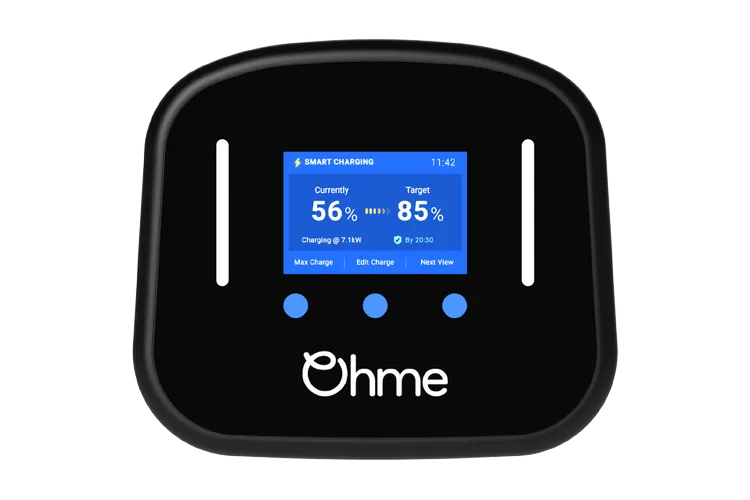
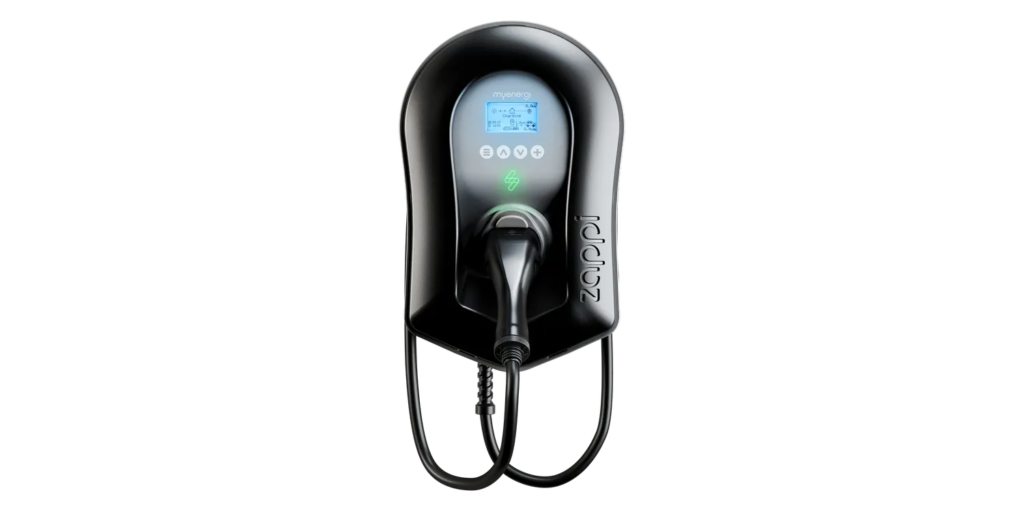
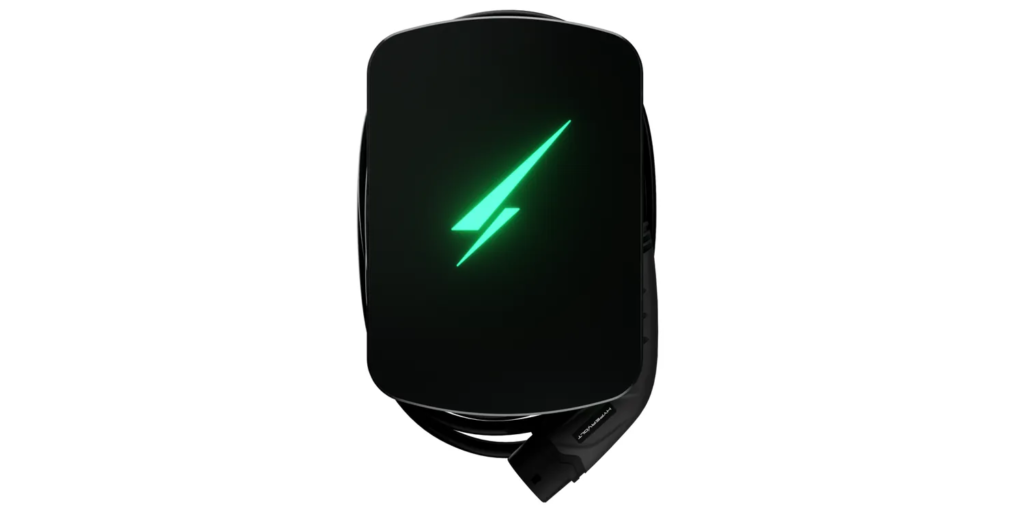
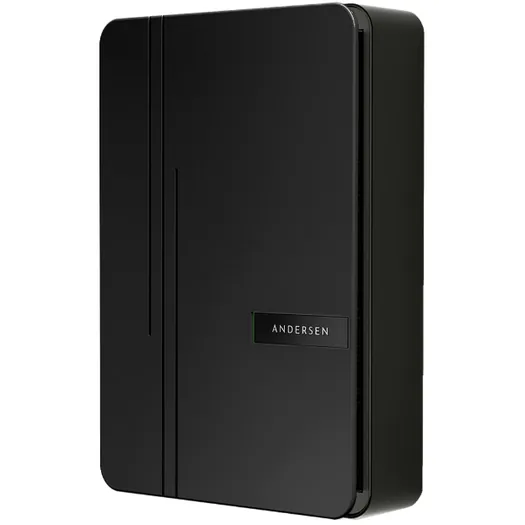
To fully benefit from Octopus Energy’s lower EV charging rates, having a compatible smart charger is key. At Eco Wizard, we offer a range of high-quality EV chargers that integrate seamlessly with Octopus tariffs, allowing you to automate charging and maximise savings.
Here are a few of our very best EV charger options available:
Please Note: Rates, savings estimates, and comparisons in this blog are based on the current available information and typical usage assumptions. Actual pricing may vary depending on location, tariff type, and eligibility. Always check directly with Octopus Energy for the most up-to-date rates.