One of the most overlooked decisions in home electric vehicle charging has nothing to do with charging speed, smart features or even which EV charger brand you choose. Instead, it comes down to whether your charger should be tethered or untethered. While both options deliver the same reliable charging performance, they offer very different day-to-day experiences, making this one of the most vital decisions homeowners will make before installation.
At first glance, the distinction looks relatively simple. A tethered EV charger has a charging cable permanently attached to the unit, allowing you to plug in immediately whenever you arrive home. An untethered charger features a universal socket instead, requiring you to connect and remove your own charging cable each time you charge. Although the difference appears small, it can influence convenience, appearance, flexibility and even how well your EV charger suits your needs in the years ahead.
The right option ultimately hinges on your property, your vehicle and how you expect to use your charger. Some homeowners value the speed and simplicity of having a cable permanently ready to use. Others prefer the cleaner, neater appearance and greater adaptability of an untethered charger, particularly if you expect to change vehicles or share the EV charger with multiple drivers in the future.
Understanding these differences before your charger is installed can help you avoid an expensive mistake and ensure your charging setup remains practical for years to come. In this guide, Eco Wizard explains how tethered and untethered EV chargers work - comparing the advantages and disadvantages of each design - and helping you choose the solution that best suits your home, your vehicle and your typical charging routine.
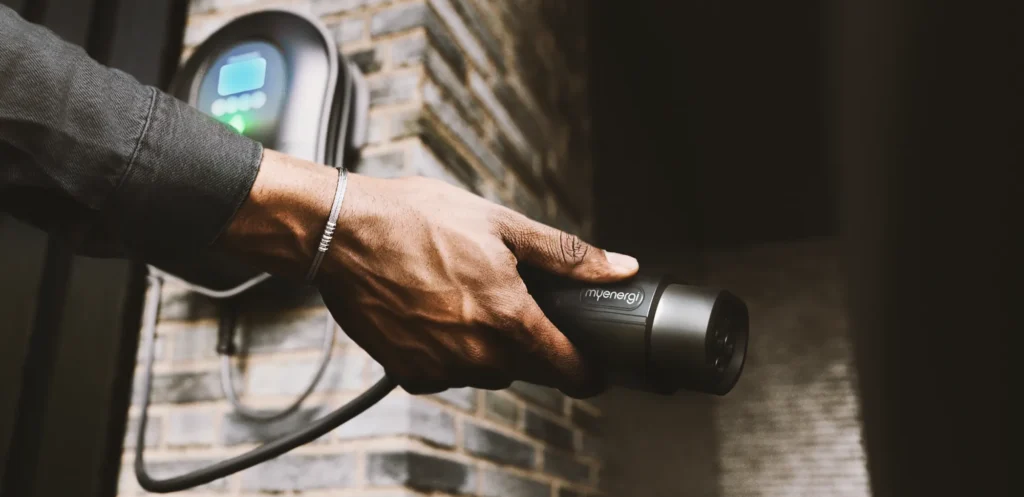
A tethered EV charger has a charging cable that is internally wired to the charger’s electrical terminals and secured within the enclosure, forming a fixed connection that is not intended to be removed by the user. This allows you to simply park your vehicle and plug in whenever you need to charge. Because the cable is always connected, there is no need to retrieve or store a separate charging lead, making it one of the most convenient options for homeowners who charge their vehicle regularly.
Most tethered chargers are supplied with a Type 2 connector, which is compatible with the vast majority of modern electric vehicles on the market. Cable lengths typically range between five and seven and a half metres, providing sufficient reach for most domestic driveways. However, because the cable is permanently fixed, replacing it or switching connector types in the future may be less straightforward, and may require installation or servicing by a qualified electrician or the charger manufacturer.
Benefits of a tethered EV charger include:
For even more information to help inform your EV charger buying journey, from charging speeds and best brands to installation queries and FAQs, see our Complete Guide To Choosing An EV Charger For Your Home.
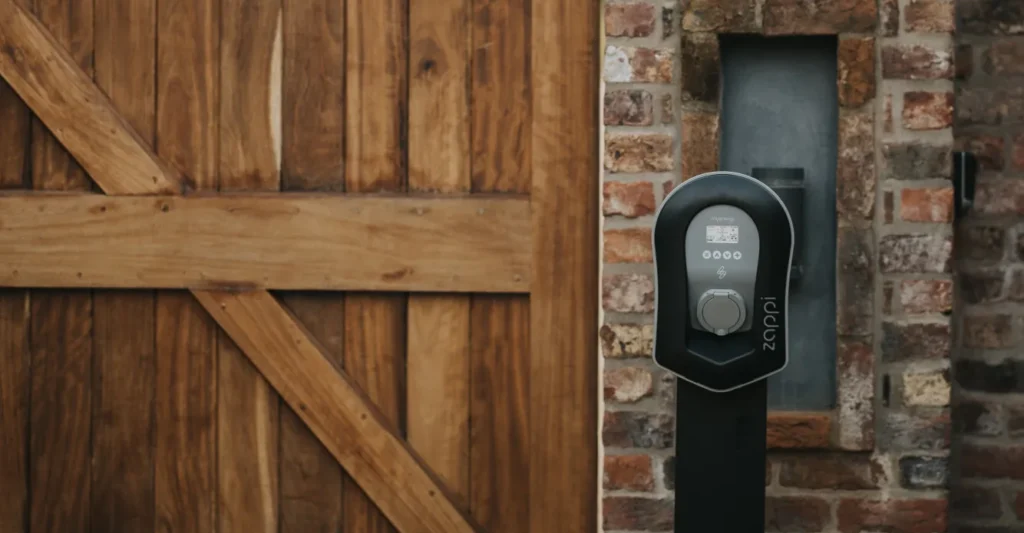
An untethered EV charger features a universal Type 2 socket rather than a permanently attached EV charging cable, requiring a separate cable to connect the charger to the vehicle. The integrated Type 2 socket on most untethered EV chargers makes them compatible with the standard EV charging cables used by the vast majority of modern electric vehicles. As the EV charging cable is detachable, it can be easily replaced if damaged or exchanged for a different length or connector type, offering greater flexibility and simplifying future compatibility with different vehicles.
The removable charging cable design means that untethered chargers often have a cleaner and more discreet appearance when not in use, as no cable is left exposed. Storing the cable separately can also help protect it from adverse weather conditions and reduce the risk of theft or vandalism. In addition, the cable can be easily replaced if it becomes damaged or exchanged for a different cable length or connector type. For households with changing vehicle ownership or multiple electric vehicles, this flexibility can be particularly valuable.
Benefits of untethered EV chargers include:
Although both tethered and untethered EV chargers deliver the same charging speeds when connected to the same electrical supply, the overall ownership experience can be quite different. The decision is less about performance and more about convenience, flexibility and how you intend to use your charger over the coming years. For homeowners who value simplicity and charge in the same location every day, a tethered charger often offers the quickest and easiest day-to-day experience. Conversely, drivers who prefer a tidier charging area or anticipate changing vehicles in the future may find an untethered charger to be the more practical investment.
When comparing both options, consider the following:
Future-proofing is an important consideration when investing in home EV charging equipment. Although the UK has standardised on the Type 2 connector for AC charging, many homeowners still consider whether an untethered charger with a removable cable offers greater long-term flexibility. This is particularly important to think about if your charging needs or vehicle ownership change over time.
In many cases, an untethered charger provides additional reassurance because replacing the charging cable is relatively simple if your requirements change. However, for most homeowners, a high quality tethered charger will continue to provide excellent compatibility for many years, particularly given that virtually every new EV sold in the UK and Europe has a Type 2 inlet for AC charging and manufacturers have standardised on Type 2 to ensure interoperability across these markets.
To help future-proof your installation:
If you want to explore the full range of smart features and energy tariffs that can not only future-proof your charger but also help save you money, our Complete Guide To Choosing An EV Charger For Your Home will give you everything you need to choose the right charger with confidence.
The best choice ultimately depends on how you use your electric vehicle and what you value most from your home charging experience. If convenience is your priority and you charge your vehicle every evening, a tethered EV charger is often the most practical solution. Simply arriving home and plugging in without handling a separate cable can make your daily charging experience effortless.
If aesthetics, flexibility or long term adaptability are more important, an untethered charger may be the better option. Many homeowners appreciate the cleaner appearance and the ability to replace or change cables without affecting the charging unit itself. Neither option compromises charging performance, making the decision largely one of lifestyle and personal preference.
Before making your decision, remember:
Whether you choose a tethered or untethered EV charger, both options can give you fast, safe and reliable home charging when professionally installed. The decision is less about charging performance and more about selecting a solution that fits seamlessly into your daily routine and continues to meet your requirements in the years ahead.
For homeowners seeking maximum convenience, a tethered charger remains the most popular choice thanks to its simplicity and ease of use. Those looking for greater flexibility, a cleaner appearance or the ability to adapt to future vehicle changes may find an untethered charger to be the smarter long term investment. By understanding the strengths of each option before installation, you can choose an EV charger that delivers both practical benefits and lasting value.
Once you've chosen the right EV charger, professional installation is the next step. Eco Wizard works alongside Aero, providing you with a professional EV charger installation service that prioritises safety, reliability and convenience. For a more detailed look at installation costs, charger requirements and what to expect before, during and after installation, explore our Complete Guide To Choosing An EV Charger For Your Home.